
Step-by-Step Guide to Sump Pump Installation in Toronto: Reliable Sump Pump Services
Installing a sump pump is one of the best ways to protect your home from basement flooding and water damage. If you live in the Greater Toronto Area, where heavy rains and melting snow can cause water to accumulate around your foundation, a sump pump is essential. I will walk you through the entire process of sump pump installation, sharing practical tips and insights to help you understand what’s involved and how to get it done right.
Understanding Sump Pump Services and Why They Matter
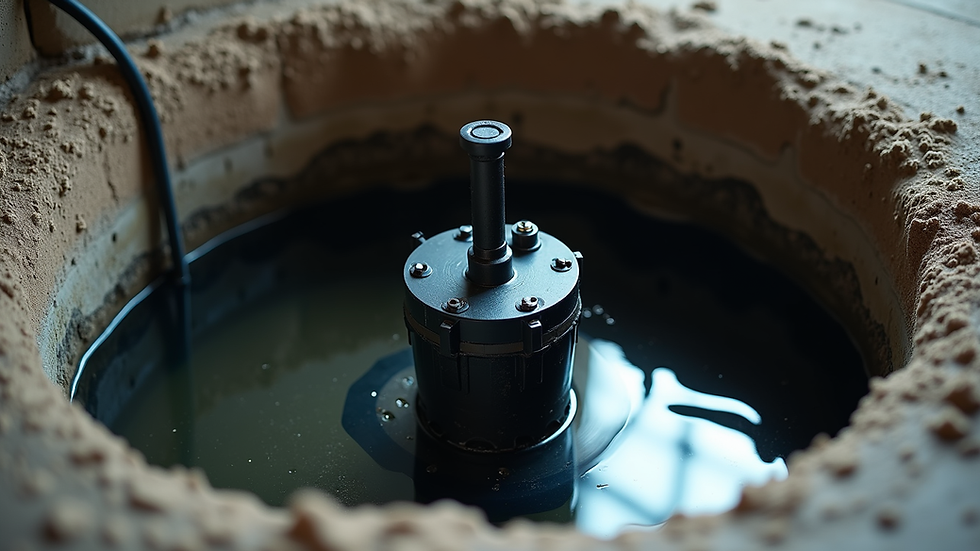
Before diving into the installation steps, it’s important to understand what sump pump services include and why they are crucial for your home. A sump pump is a device installed in a pit (called a sump basin) in your basement floor. Its job is to pump out water that collects there and direct it away from your home’s foundation.
Professional sump pump services typically cover:
Assessment of your basement’s drainage needs
Installation of the sump basin and pump
Connection to a discharge pipe that leads water away from your home
Testing and maintenance advice
These services ensure your sump pump works efficiently and reliably, especially during heavy rain or spring thaw. Proper installation prevents water damage, mold growth, and foundation issues.
Step-by-Step Sump Pump Installation Process
Installing a sump pump involves several key steps. While some homeowners may choose to hire professionals, understanding the process helps you make informed decisions and spot quality work.
1. Choose the Right Location for the Sump Basin
The sump basin should be placed at the lowest point of your basement floor where water naturally collects. This spot ensures the pump can remove water efficiently. If your basement floor is uneven, you may need to level the area or create a small pit.
2. Dig the Sump Pit
Using a shovel or a power tool, dig a hole approximately 18 inches wide and 24 inches deep. The size depends on the sump basin dimensions. Make sure the pit is deep enough to accommodate the basin and allow the pump to sit securely at the bottom.
3. Install the Sump Basin
Place the sump basin into the pit. The basin should sit flush with or slightly below the basement floor level. Backfill around the basin with gravel to stabilize it and improve drainage.
4. Position and Connect the Sump Pump
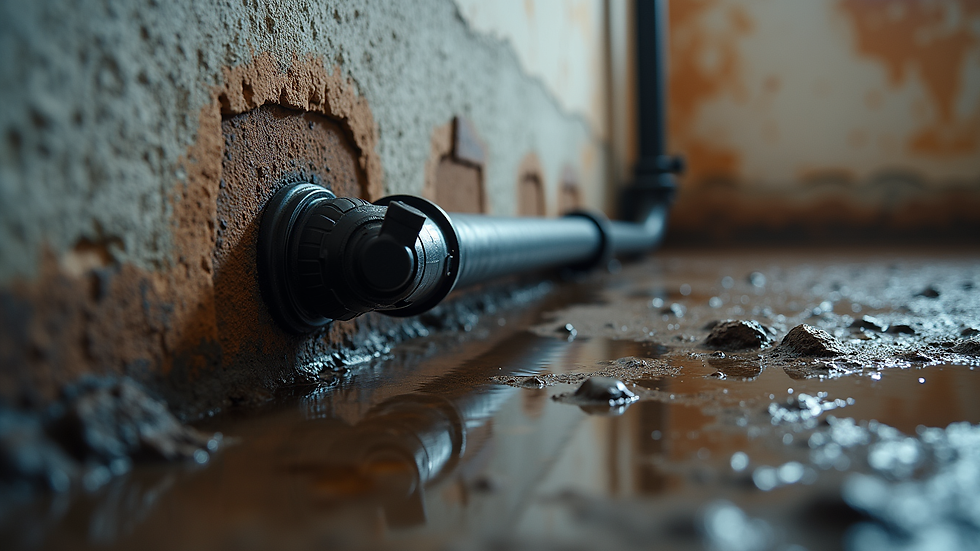
Place the sump pump inside the basin. Attach the discharge pipe to the pump’s outlet. This pipe will carry water out of your basement and away from your home’s foundation. Use PVC piping and secure all joints with waterproof sealant or clamps.
5. Install a Check Valve
A check valve on the discharge pipe prevents water from flowing back into the sump basin after it has been pumped out. This is a critical component to avoid repeated pumping and potential damage.
6. Connect the Discharge Pipe to an Exterior Drain
Run the discharge pipe through your basement wall or floor to an exterior drainage area. The water should be directed at least 3 to 4 meters away from your home’s foundation to prevent re-entry.
7. Test the Sump Pump
Fill the sump basin with water to test the pump’s operation. The pump should activate automatically and pump water out efficiently. Check for leaks or loose connections.
8. Finalize and Cover the Basin
Once everything is working properly, cover the sump basin with a lid to prevent debris from falling in and to reduce odors. Some lids come with a built-in alarm system to alert you if the pump fails.
How much should it cost to install a sump pump?
The cost of sump pump installation varies depending on several factors:
Type of sump pump: Pedestal pumps are generally less expensive than submersible pumps.
Complexity of installation: If your basement requires extensive digging or modifications, costs will increase.
Materials and parts: Quality of the sump basin, discharge pipes, and check valves affect pricing.
Labour costs: Hiring a professional plumber or waterproofing company adds to the total.
On average, homeowners in Toronto can expect to pay between $1,000 and $3,000 for a complete sump pump installation. This price includes the pump, basin, piping, and labour. While DIY installation might save money upfront, professional installation ensures the system is reliable and meets local building codes.
Maintenance Tips for Long-Lasting Sump Pump Performance
Installing a sump pump is just the first step. Regular maintenance is essential to keep it working when you need it most.
Test the pump every 3-4 months by pouring water into the basin to ensure it activates.
Clean the sump basin to remove dirt and debris that can clog the pump.
Inspect the discharge pipe for blockages or damage.
Check the power source and consider a battery backup system for power outages.
Schedule professional inspections annually to catch any issues early.
Following these tips will extend the life of your sump pump and protect your home from water damage.
Why Choose Professional Sump Pump Installation in Toronto?
While some homeowners may feel confident installing a sump pump themselves, professional installation offers several advantages:
Expertise in local soil and water conditions ensures the system is tailored to your home.
Compliance with Toronto building codes and permits avoids legal issues.
Access to high-quality materials and equipment for durability.
Warranty and service guarantees provide peace of mind.
Proper disposal of excavated materials and cleanup after installation.
If you want a hassle-free experience and a sump pump system that lasts, consider hiring a trusted company specializing in sump pump installation Toronto.
For reliable and long-lasting solutions, I recommend exploring sump pump installation Toronto services offered by experienced professionals.
Protect Your Home with a Well-Installed Sump Pump
Water damage can be costly and stressful. Installing a sump pump is a smart investment to keep your basement dry and your foundation strong. By following this step-by-step guide, you can understand the process and make informed choices about your sump pump installation.
Remember, the key to success is proper location, quality materials, and regular maintenance. Whether you choose to install the pump yourself or hire a professional, taking action now will save you headaches in the future.
Stay proactive and protect your home with a sump pump that works when you need it most.


Comments