
Protect Your Home with Interior Waterproofing: Basement Waterproofing Solutions

Water damage is one of the most common and costly problems homeowners face. When water seeps into your basement or interior walls, it can cause mold, structural damage, and a host of other issues. Protecting your home with interior waterproofing is a smart investment that safeguards your property and your peace of mind. In this post, I will share practical advice and effective basement waterproofing solutions to help you keep your home dry and secure.
Why Basement Waterproofing Solutions Matter
Basements are particularly vulnerable to water intrusion. Whether it’s from heavy rain, melting snow, or high groundwater levels, water can find its way through cracks, porous concrete, or faulty drainage systems. When water enters your basement, it can lead to:
Mold and mildew growth, which affects indoor air quality and health
Damage to stored items and finished basement spaces
Weakening of foundation walls and floors
Increased humidity and unpleasant odors
Basement waterproofing solutions are designed to stop water before it causes damage. These solutions include both exterior and interior methods, but interior waterproofing is often the most practical and cost-effective option for many homeowners. It involves sealing and protecting the inside of your basement walls and floors to prevent water from entering your living space.

Effective Basement Waterproofing Solutions You Can Trust
There are several interior waterproofing techniques that can protect your basement from water damage. Here are some of the most reliable and widely used methods:
Interior Drainage Systems
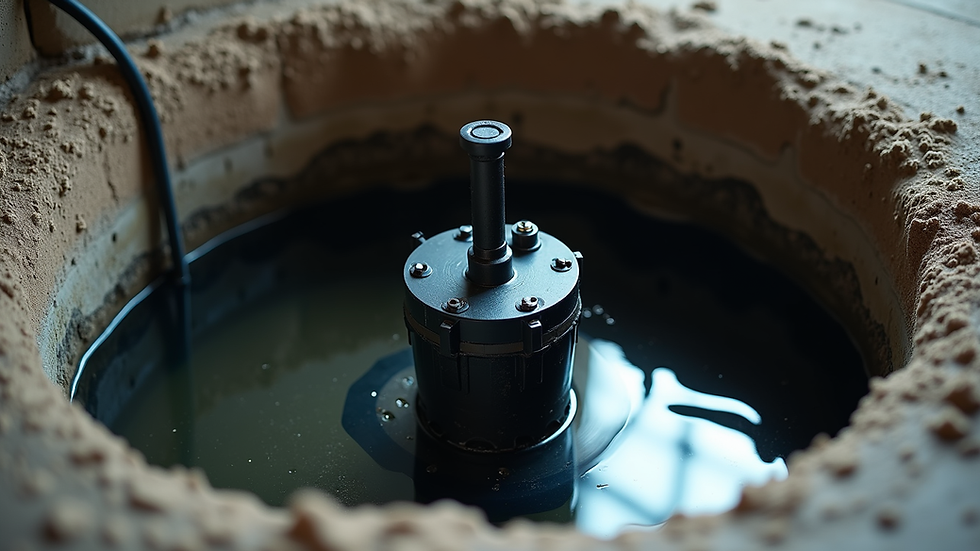
Installing an interior drainage system involves placing a drainage channel along the perimeter of your basement floor. This channel collects water that seeps through the walls or floor and directs it to a sump pump. The sump pump then removes the water from your home. This system is highly effective in managing water that enters your basement.
Sump Pump Installation
A sump pump is a critical component of many interior waterproofing systems. It pumps out water collected by the drainage system, preventing flooding and water buildup. Modern sump pumps come with battery backups to ensure operation during power outages.
Waterproof Coatings and Sealants
Applying waterproof coatings to basement walls and floors creates a barrier that prevents water penetration. These coatings are usually made of cementitious or polymer-based materials. They are easy to apply and can significantly reduce moisture problems.
Crack Injection
If your basement walls have cracks, water can easily enter through them. Crack injection involves filling these cracks with epoxy or polyurethane foam to seal them permanently. This method restores the structural integrity of the walls and stops leaks.
Dehumidifiers
While not a waterproofing method per se, dehumidifiers help control moisture levels in your basement. They reduce humidity, which discourages mold growth and keeps the air fresh.
Each of these solutions can be tailored to your home’s specific needs. Combining several methods often provides the best protection.
What is the Best Way to Waterproof Interior Walls?
Waterproofing interior walls requires a combination of preparation, sealing, and drainage. Here’s a step-by-step approach that works well:
Inspect and Repair
Start by inspecting your basement walls for cracks, holes, or signs of water damage. Repair any cracks using hydraulic cement or epoxy injections. This step is crucial to stop active leaks.
Clean the Surface
Clean the walls thoroughly to remove dirt, dust, and loose paint. A clean surface ensures better adhesion of waterproof coatings.
Apply Waterproof Coating
Use a high-quality waterproofing paint or sealant designed for basement walls. Apply at least two coats for maximum protection. These coatings create a water-resistant barrier that prevents moisture from penetrating.
Install an Interior Drainage System
If water infiltration is severe, consider installing an interior drainage system along the base of the walls. This system collects water and channels it to a sump pump.
Maintain Proper Ventilation
Good ventilation helps reduce humidity and keeps walls dry. Use fans or dehumidifiers to maintain a healthy environment.
By following these steps, you can effectively waterproof your interior walls and protect your basement from water damage.

Signs You Need Interior Waterproofing
Knowing when to invest in interior waterproofing can save you from costly repairs later. Watch for these warning signs:
Damp or Musty Smell: Persistent odors often indicate moisture problems.
Visible Water Stains: Discoloration or water marks on walls or floors.
Efflorescence: White, powdery deposits on concrete walls caused by water seepage.
Mold or Mildew Growth: Black or green spots on walls or floors.
Peeling Paint or Wallpaper: Moisture can cause finishes to bubble or peel.
Standing Water or Puddles: Water accumulation after rain or snowmelt.
Cracks in Walls or Floors: Structural damage that allows water entry.
If you notice any of these signs, it’s time to consider interior waterproofing solutions. Early intervention can prevent more serious damage.
How to Choose the Right Interior Waterproofing Service
Selecting a reliable waterproofing company is essential for effective results. Here are some tips to help you choose the right service provider:
Experience and Expertise: Look for companies with a proven track record in basement waterproofing solutions.
Local Knowledge: A company familiar with the Greater Toronto Area’s climate and soil conditions will provide better advice and service.
Comprehensive Inspection: Choose a service that offers a thorough inspection before recommending solutions.
Transparent Pricing: Get detailed quotes and avoid hidden fees.
Warranty and Guarantees: Reliable companies stand behind their work with warranties.
Customer Reviews: Check testimonials and reviews to gauge customer satisfaction.
For homeowners in the Greater Toronto Area, I recommend exploring options like interior waterproofing toronto to find trusted professionals who understand local challenges and provide lasting solutions.
Maintaining Your Waterproofed Basement
Once your basement is waterproofed, maintenance is key to ensuring long-term protection. Here are some practical tips:
Regular Inspections: Check your basement walls and floors periodically for new cracks or signs of moisture.
Keep Gutters Clean: Ensure gutters and downspouts direct water away from your foundation.
Grade Your Yard Properly: The ground around your home should slope away to prevent water pooling near the foundation.
Test Your Sump Pump: Run your sump pump regularly and check the battery backup.
Control Indoor Humidity: Use dehumidifiers during humid months to keep moisture levels low.
By staying proactive, you can extend the life of your waterproofing system and protect your home from water damage.
Taking Action to Protect Your Home Today
Water damage can compromise your home’s safety and value. Interior waterproofing is a practical and effective way to protect your basement and foundation. Whether you choose to apply waterproof coatings, install drainage systems, or repair cracks, taking action now will save you money and stress in the future.
If you want to safeguard your home with professional basement waterproofing solutions, start by scheduling an inspection with a trusted local expert. With the right approach, you can enjoy a dry, healthy, and comfortable living space for years to come.

Comments