
Protect Your Basement: Basement Waterproofing Solutions in Toronto

Basements are valuable spaces in any home, especially in Toronto where cold winters and wet springs can cause moisture problems. Protecting your basement from water damage is essential to maintain your home's structure and keep it comfortable. Interior waterproofing is a practical and effective way to safeguard your basement from leaks, dampness, and mold. In this post, I will share insights on basement waterproofing solutions, focusing on interior methods that work well in the Greater Toronto Area.
Understanding Basement Waterproofing Solutions
Water can enter your basement through cracks, porous walls, or even the floor. Over time, this moisture can cause serious damage such as foundation weakening, mold growth, and unpleasant odors. Basement waterproofing solutions aim to stop water from entering and manage any moisture that does get in.
There are two main types of waterproofing: exterior and interior. Exterior waterproofing involves digging around the foundation and applying barriers to keep water out. While effective, this method can be costly and disruptive. Interior waterproofing, on the other hand, focuses on managing water that seeps inside and directing it away safely.
Interior waterproofing solutions include:
Installing drainage systems like interior weeping tiles or French drains.
Applying waterproof coatings or sealants on walls and floors.
Using sump pumps to remove collected water.
Repairing cracks and sealing joints to prevent leaks.
These methods work together to create a dry, safe basement environment without the need for extensive excavation.
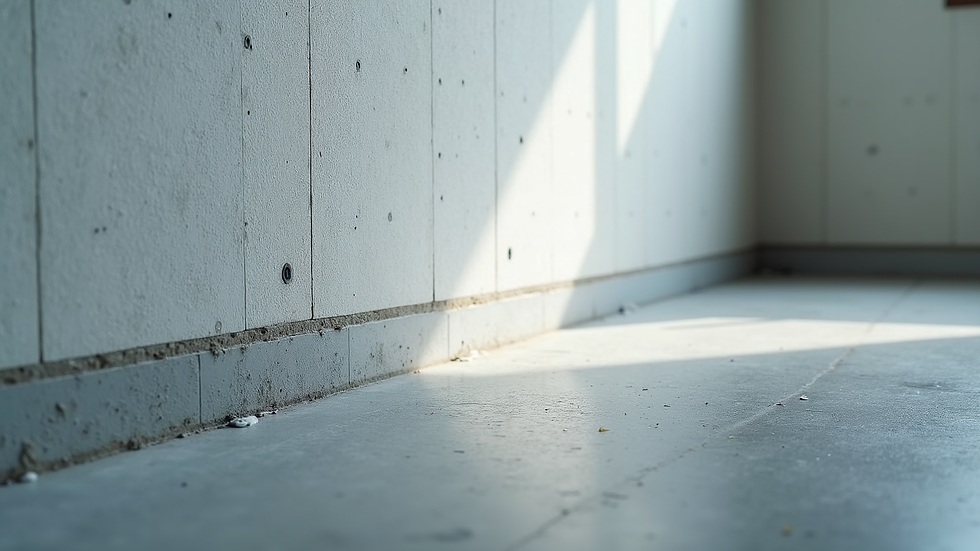
What is the Best Way to Waterproof Interior Walls?
When it comes to waterproofing interior walls, the best approach depends on the source and extent of moisture. Here are some effective strategies:
Crack Repair and Sealing
Small cracks in basement walls are common entry points for water. Using hydraulic cement or epoxy injections can seal these cracks permanently. This step is crucial before applying any waterproof coatings.
Waterproof Coatings and Sealants
After repairing cracks, applying a waterproof sealant or coating creates a barrier that prevents moisture from penetrating the walls. These coatings are usually cement-based or polymer-based and are designed to withstand hydrostatic pressure.
Interior Drainage Systems
If water seeps through despite coatings, an interior drainage system can collect and redirect it. This system typically involves installing a channel along the basement perimeter that leads water to a sump pump.
Sump Pump Installation
A sump pump is essential in areas with high water tables or frequent flooding. It pumps out water collected by the drainage system, keeping the basement dry.
Vapor Barriers and Insulation
Adding vapor barriers behind drywall and using moisture-resistant insulation can help control humidity and prevent condensation on walls.
Combining these methods ensures a comprehensive defense against basement moisture. It’s important to assess your basement’s specific conditions to choose the right combination.
Signs Your Basement Needs Interior Waterproofing
Knowing when to act is key to preventing costly damage. Here are common signs that indicate your basement needs interior waterproofing:
Visible Water or Damp Spots
Puddles, wet patches, or damp walls are clear indicators of water intrusion.
Musty Odors
Persistent musty smells often signal mold or mildew caused by moisture.
Efflorescence
White, powdery deposits on walls show that water is seeping through and leaving mineral traces.
Peeling Paint or Wallpaper
Moisture can cause paint or wallpaper to bubble and peel.
Cracks in Walls or Floors
Structural cracks can allow water to enter and worsen over time.
Rust on Metal Fixtures
Rust on pipes, nails, or other metal items in the basement suggests high humidity or water presence.
If you notice any of these signs, it’s time to consider interior waterproofing solutions to protect your home.

Why Interior Waterproofing is Ideal for Toronto Homes
Toronto’s climate presents unique challenges for basements. Heavy rains, snowmelt, and fluctuating temperatures can cause water to accumulate around foundations. Interior waterproofing offers several advantages for homes in this region:
Less Disruption
Unlike exterior waterproofing, interior methods do not require digging around your home. This means less mess, lower costs, and faster installation.
Effective Water Management
Interior drainage systems and sump pumps actively remove water that enters, preventing damage and mold growth.
Adaptability
Interior waterproofing can be customized to fit different basement layouts and moisture issues.
Long-Term Protection
When done correctly, interior waterproofing provides lasting defense against water damage.
For homeowners looking for reliable and practical basement protection, interior waterproofing is a smart choice. If you want to explore options, consider consulting professionals who specialize in interior waterproofing Toronto to get tailored solutions.
Maintaining Your Waterproofed Basement
Waterproofing is not a one-time fix. Regular maintenance helps ensure your basement stays dry and safe. Here are some tips to keep your waterproofing system in top shape:
Inspect Your Basement Regularly
Check for new cracks, damp spots, or signs of water intrusion.
Keep Gutters and Downspouts Clean
Proper drainage away from your home reduces water pressure on your foundation.
Ensure Proper Grading
The ground around your home should slope away to direct water away from the foundation.
Test Your Sump Pump
Run the pump periodically to make sure it works and clean the pit to prevent clogs.
Control Indoor Humidity
Use dehumidifiers if needed to keep basement humidity below 60%.
Address Plumbing Leaks Promptly
Fix any leaks inside the home to prevent additional moisture.
By staying proactive, you can extend the life of your basement waterproofing and protect your home investment.
Taking the Next Step to Protect Your Basement
Water damage can compromise your home’s safety and value. Interior waterproofing offers a practical, effective way to keep your basement dry and healthy. Whether you are dealing with minor dampness or more serious leaks, there are solutions tailored to your needs.
If you want to protect your basement with proven basement waterproofing solutions, start by assessing your basement’s condition. Look for signs of moisture and consider professional advice to choose the best interior waterproofing methods. With the right approach, you can enjoy a dry, comfortable basement all year round.
Investing in interior waterproofing is investing in your home’s future. Don’t wait for water problems to worsen. Take action today to secure your basement and protect your property.
Protect your basement with smart, effective interior waterproofing solutions designed for Toronto homes.


Comments