
Explore Toronto's Interior Waterproofing Solutions

Water damage in a home can cause serious problems. It affects the structure, the air quality, and the overall comfort of your living space. In Toronto, where weather conditions can be harsh and unpredictable, protecting your home from water intrusion is essential. I want to share practical insights about interior waterproofing solutions that work well in this region. These methods help keep basements dry and foundations strong, ensuring your home stays safe and comfortable year-round.
Understanding Toronto Waterproofing Solutions
Toronto's climate presents unique challenges for homeowners. Heavy rains, snowmelt, and fluctuating temperatures can lead to water seeping into basements and walls. This moisture can cause mold growth, damage to drywall, and even structural issues if left unchecked. That is why choosing the right waterproofing solution is critical.
Toronto waterproofing solutions focus on stopping water before it causes damage inside your home. These solutions include a mix of drainage systems, sealants, and protective coatings designed specifically for the local environment. For example, interior drainage systems collect water that enters the basement and direct it safely away from the foundation. This prevents pooling and reduces pressure on basement walls.
Another common approach is applying waterproof coatings to interior walls. These coatings create a barrier that blocks moisture from penetrating. They are especially useful in older homes where exterior waterproofing may not be feasible or cost-effective.

By combining these methods, homeowners can effectively manage water issues and protect their investment. It is important to assess your home's specific needs and choose solutions that fit your budget and long-term goals.
What is the best way to waterproof interior walls?
When it comes to waterproofing interior walls, the best approach depends on the source and extent of the moisture problem. Here are some effective methods I recommend:
Interior Drainage Systems
These systems involve installing a drainage channel along the perimeter of the basement floor. Water that seeps through the walls is collected and directed to a sump pump, which removes it from the home. This method is highly effective for managing groundwater and preventing flooding.
Waterproof Sealants and Paints
Applying a waterproof sealant or paint to interior walls can block moisture from entering. These products are easy to apply and provide a quick fix for minor dampness. However, they are not suitable for severe water problems or structural leaks.
Epoxy and Polyurethane Coatings
For more durable protection, epoxy or polyurethane coatings are excellent choices. They bond tightly to concrete and masonry surfaces, creating a strong barrier against water. These coatings also resist mold and mildew growth.
Dehumidifiers and Ventilation
While not a waterproofing method per se, controlling humidity inside the basement helps reduce moisture buildup. Using dehumidifiers and improving ventilation can complement waterproofing efforts and improve indoor air quality.
Foundation Crack Repairs
Water often enters through cracks in foundation walls. Sealing these cracks with hydraulic cement or epoxy injections stops leaks at their source. This repair is crucial before applying any waterproof coatings.
Each of these methods has its place depending on the severity of the water issue and the construction of your home. Often, a combination of solutions provides the best results.
Signs You Need Interior Waterproofing
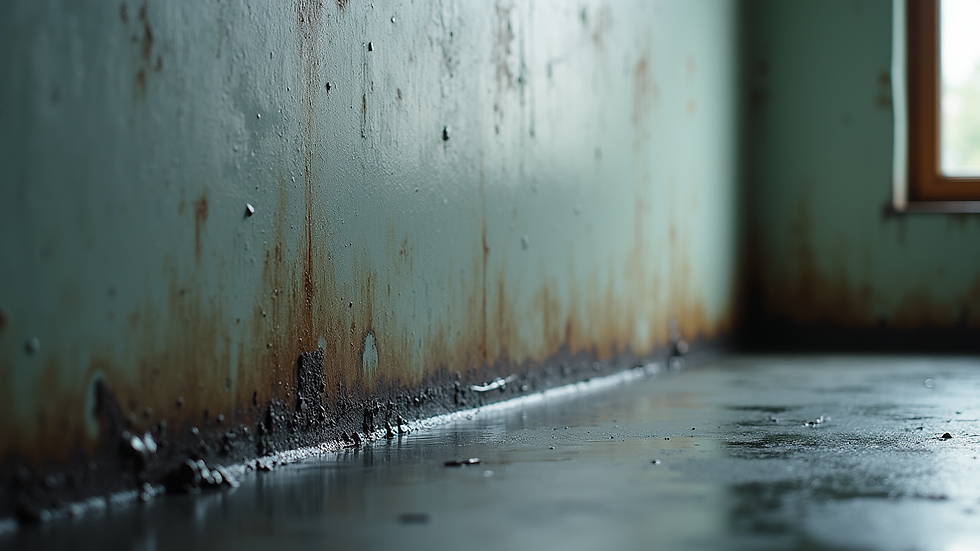
Recognizing early signs of water problems can save you from costly repairs later. Here are some common indicators that your home may need interior waterproofing:
Damp or Musty Smell: Persistent odors often signal mold or mildew growth caused by moisture.
Water Stains or Discoloration: Look for stains on walls or floors, especially near the foundation.
Peeling Paint or Wallpaper: Moisture can cause finishes to bubble or peel.
Efflorescence: This white, powdery substance on walls indicates water is passing through masonry.
Visible Mold Growth: Mold thrives in damp environments and can appear as black or green spots.
Cracks in Walls or Floors: Structural cracks can allow water to enter and worsen over time.
Pooling Water or Wet Spots: Any standing water inside the basement is a clear sign of waterproofing issues.
If you notice any of these signs, it is wise to act quickly. Interior waterproofing can prevent further damage and improve your home's safety and value.
Choosing the Right Interior Waterproofing Contractor in Toronto
Selecting a reliable contractor is key to successful waterproofing. Here are some tips to help you make the right choice:
Experience and Expertise: Look for companies with a proven track record in interior waterproofing in Toronto. They should understand local soil and weather conditions.
Comprehensive Inspection: A good contractor will perform a thorough inspection before recommending solutions. This ensures the problem is correctly diagnosed.
Transparent Pricing: Request detailed quotes that explain the costs of materials, labor, and any additional services.
Warranty and Guarantees: Reliable contractors offer warranties on their work, giving you peace of mind.
Customer Reviews and References: Check online reviews and ask for references to learn about past clients’ experiences.
Licensed and Insured: Verify that the contractor holds the necessary licenses and insurance to protect you from liability.
By following these guidelines, you can find a trustworthy professional who will deliver lasting results.
Maintaining Your Waterproofing System
Once your interior waterproofing is installed, maintenance is essential to keep it effective. Here are some practical tips:
Regular Inspections: Check your basement walls and floors for new signs of moisture or damage.
Clean Drainage Systems: Ensure that sump pumps and drainage channels are free of debris and functioning properly.
Control Humidity: Use dehumidifiers during humid months to reduce moisture levels.
Seal Cracks Promptly: Address any new cracks or gaps as soon as they appear.
Monitor Exterior Grading: Make sure the ground slopes away from your foundation to prevent water pooling near your home.
Routine care helps extend the life of your waterproofing system and protects your home investment.
If you want to learn more about reliable interior waterproofing Toronto solutions, consider consulting with experts who specialize in local conditions. Proper waterproofing is an investment that pays off by keeping your home dry, safe, and comfortable for years to come.


Comments