
Effective Wet Basement Mitigation Solutions in Toronto

Dealing with a wet basement is a common challenge for many homeowners in Toronto. The city's climate, with its heavy rains and freeze-thaw cycles, often leads to water seeping into basements. This can cause damage to your home’s foundation, create mold problems, and reduce your living space's usability. I want to share practical, effective wet basement mitigation solutions that can help protect your home and give you peace of mind.
Understanding Wet Basement Mitigation in Toronto
Wet basement mitigation involves identifying the sources of water intrusion and applying solutions to stop or reduce water from entering your basement. In Toronto, the main causes include poor drainage, hydrostatic pressure, and cracks in the foundation walls or floor.
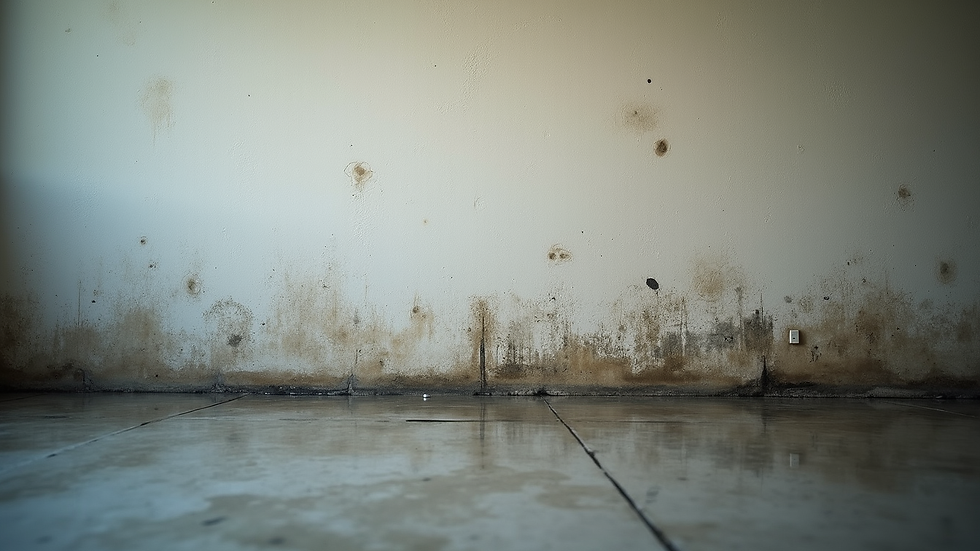
One of the first steps is to inspect your basement and the surrounding property. Look for signs like damp walls, musty smells, or visible water stains. These clues help pinpoint where water is coming from. Often, the problem is not just inside the basement but outside as well.
Proper wet basement mitigation requires a combination of exterior and interior solutions. Exterior work might include improving grading around your home, installing or repairing gutters and downspouts, and applying waterproof coatings to foundation walls. Interior solutions often involve drainage systems and sump pumps to manage water that does get in.
Key Wet Basement Mitigation Techniques
Here are some of the most effective techniques to keep your basement dry:
1. Exterior Drainage Improvements
Water pooling near your foundation is a major cause of wet basements. Make sure the ground slopes away from your home by at least 2% (about a 2-inch drop per foot). This helps direct rainwater away from the foundation.
Gutters and downspouts should be clean and functional. Downspouts must extend at least 6 feet away from the house to prevent water from pooling near the foundation.
2. Exterior Waterproofing Membranes
Applying a waterproof membrane to the outside of your foundation walls can block water from penetrating. This is often done during foundation repairs or new construction but can be added during major basement renovations.
3. Interior Drainage Systems
If water still seeps in, an interior drainage system can help. This usually involves installing a perimeter drain along the basement floor’s edge, which collects water and channels it to a sump pump.
4. Sump Pumps
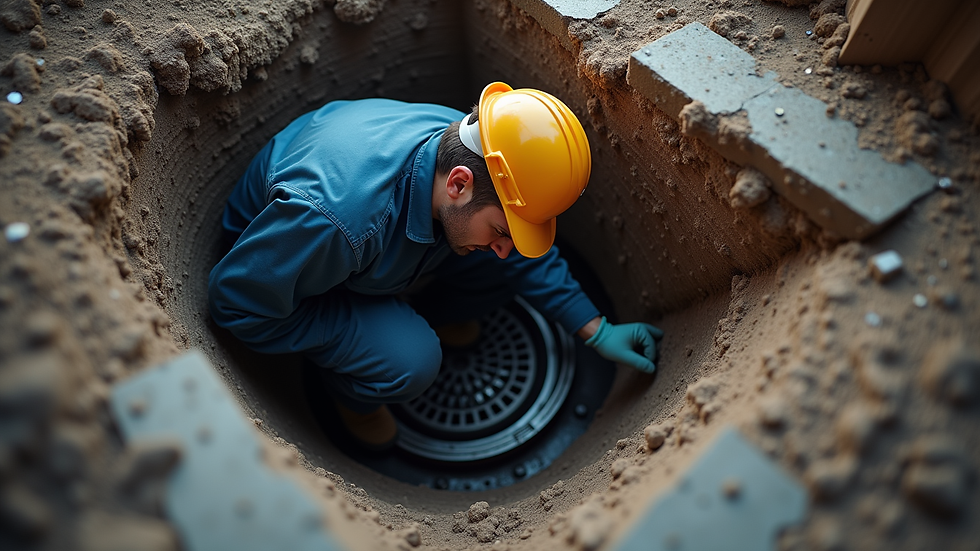
A sump pump is essential in many Toronto homes. It pumps water out of the basement and away from the foundation. Battery backup systems are recommended to keep the pump running during power outages.
5. Crack Repairs and Sealants
Small cracks in foundation walls or floors can let water in. These should be sealed with hydraulic cement or epoxy injections. For larger cracks, professional underpinning or structural repairs may be necessary.
Why Professional Assessment Matters
While some homeowners can handle minor fixes, wet basement mitigation often requires professional expertise. A thorough assessment can identify hidden issues like hydrostatic pressure or soil conditions that contribute to water problems.
Professionals use specialized tools like moisture meters, infrared cameras, and drainage cameras to diagnose the problem accurately. They can recommend a tailored solution that fits your home’s specific needs and local conditions.
Hiring a trusted company ensures the work is done correctly and complies with local building codes. This reduces the risk of recurring problems and protects your investment.
Maintaining Your Basement’s Dryness Year-Round
Once you have addressed the wet basement issues, ongoing maintenance is key to keeping your basement dry. Here are some practical tips:
Regularly clean gutters and downspouts to prevent clogs.
Check grading annually to ensure the soil still slopes away from your home.
Inspect sump pumps every few months and test backup batteries.
Monitor basement walls and floors for new cracks or signs of moisture.
Use a dehumidifier in the basement during humid months to reduce moisture levels.
By staying proactive, you can avoid costly repairs and maintain a healthy, dry basement environment.
Transforming Your Basement After Mitigation
A dry basement opens up many possibilities. You can turn this space into a functional living area, a home office, or a recreational room. Before starting any renovation, ensure all wet basement mitigation measures are in place and working effectively.
Proper insulation and vapor barriers will help maintain a comfortable environment. Also, consider moisture-resistant materials for flooring and walls to prevent future issues.
If you plan to finish your basement, consult with professionals who understand wet basement mitigation and basement transformations. This ensures your new space is safe, comfortable, and long-lasting.
Taking action on wet basement mitigation is essential for protecting your home in Toronto. With the right combination of exterior and interior solutions, professional assessment, and regular maintenance, you can keep your basement dry and usable for years to come. For those looking for reliable and long-lasting solutions, working with experienced experts is the best way to secure your home’s foundation and enjoy your basement space fully.


Comments