
Effective Waterproofing Basement Solutions for Toronto Homes

Basements in Toronto often face water intrusion problems due to the region’s climate and soil conditions. Water seepage can cause serious damage to your home’s foundation, lead to mold growth, and reduce the overall comfort of your living space. I want to share practical and effective waterproofing basement solutions that can protect your home and give you peace of mind.
Understanding Waterproofing Basement Solutions
Waterproofing basement solutions are designed to stop water from entering your basement and to manage moisture effectively. These solutions vary depending on the source of water, the condition of your basement, and your budget. The most common causes of basement water problems include:
Hydrostatic pressure pushing water through foundation walls
Cracks or gaps in the foundation
Poor drainage around the home
High water table levels during heavy rains or snowmelt
To address these issues, waterproofing solutions can be divided into two main categories: exterior waterproofing and interior waterproofing. Exterior waterproofing involves excavating around the foundation to apply waterproof membranes and drainage systems. Interior waterproofing focuses on managing water that has already entered the basement, using drainage channels and sump pumps.

Choosing the Right Waterproofing Basement Solutions
Selecting the right waterproofing basement solutions depends on your home’s specific needs. Here are some effective options to consider:
Exterior Waterproofing
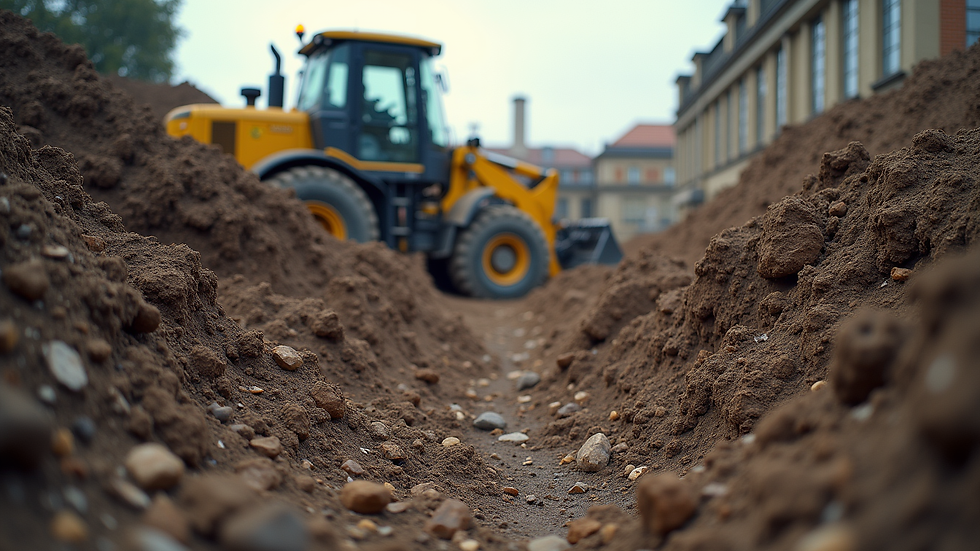
This is the most comprehensive method. It involves digging around the foundation, cleaning the walls, applying a waterproof coating or membrane, and installing drainage tiles or weeping tiles to redirect water away from the foundation. This method prevents water from entering in the first place.
Interior Drainage Systems
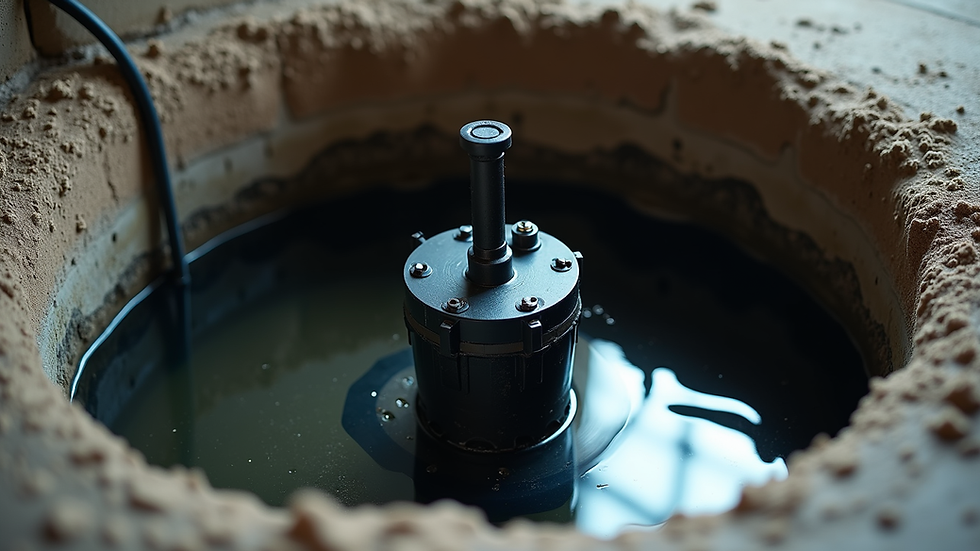
If exterior waterproofing is not feasible due to landscaping or budget constraints, interior drainage systems are a good alternative. These systems include installing a drainage channel along the basement perimeter and connecting it to a sump pump. The sump pump removes water from the basement before it causes damage.
Crack Repair and Sealants
Small cracks in foundation walls can be sealed with epoxy or polyurethane injections. These materials fill the cracks and prevent water from seeping through. This method is often used alongside other waterproofing solutions.
Proper Grading and Gutters
Ensuring that the ground slopes away from your home and that gutters and downspouts direct water far from the foundation is a simple but effective preventive measure.
Basement Dehumidifiers
While not a waterproofing solution per se, dehumidifiers help control moisture levels inside the basement, reducing the risk of mold and mildew.
Each of these solutions can be tailored to your home’s needs. Combining methods often provides the best protection.
What is the Best Way to Waterproof Interior Walls?
Waterproofing interior walls is crucial when water seeps through foundation cracks or when hydrostatic pressure forces moisture inside. The best way to waterproof interior walls involves a combination of techniques:
Interior Drainage Channels: Installing drainage channels along the base of the walls collects water that enters and directs it to a sump pump system. This prevents water from pooling on the floor.
Waterproof Coatings and Sealants: Applying waterproof paint or sealant to interior walls can reduce moisture penetration. These coatings are usually cement-based or epoxy-based and create a barrier against water.
Sump Pump Installation: A sump pump is essential for removing water collected by drainage channels. It pumps water out of the basement and away from the home.
Vapor Barriers: Installing vapor barriers on walls and floors helps control moisture and prevent dampness.
For many Toronto homes, combining these interior waterproofing methods with exterior solutions offers the most reliable protection. If you want professional help, companies specializing in interior waterproofing Toronto can assess your basement and recommend the best approach.

Signs You Need Basement Waterproofing
Knowing when to act is key to preventing costly damage. Here are some common signs that your basement needs waterproofing:
Visible Water or Dampness: Puddles, wet spots, or damp walls indicate water intrusion.
Musty Odors: Persistent musty smells often mean mold or mildew growth due to moisture.
Efflorescence: White, powdery deposits on walls show that water is passing through and leaving mineral deposits.
Cracks in Walls or Floors: Cracks can allow water to seep in and may indicate foundation issues.
Peeling Paint or Wallpaper: Moisture behind walls causes paint or wallpaper to bubble and peel.
Rust on Metal Fixtures: Rust on pipes or appliances in the basement can be a sign of high humidity or water leaks.
If you notice any of these signs, it’s time to consider waterproofing basement solutions to protect your home.
Maintaining Your Waterproofing System
Once you have installed waterproofing solutions, regular maintenance is essential to keep them effective. Here are some tips:
Inspect Gutters and Downspouts: Clean them regularly and ensure they direct water at least 3 meters away from your foundation.
Check Sump Pump Functionality: Test your sump pump every few months and after heavy rains. Consider a battery backup system in case of power outages.
Monitor Basement Walls and Floors: Look for new cracks or signs of moisture and address them promptly.
Maintain Proper Grading: Ensure the soil around your home slopes away from the foundation.
Control Indoor Humidity: Use dehumidifiers during humid months to keep moisture levels low.
Regular maintenance extends the life of your waterproofing system and prevents future problems.
Investing in Professional Waterproofing Services
Waterproofing your basement is a significant investment in your home’s health and value. While some DIY methods can help, professional waterproofing services offer expertise, quality materials, and long-lasting results. Professionals can:
Conduct thorough inspections to identify all sources of water intrusion
Recommend customized waterproofing basement solutions
Use advanced techniques and materials not available to homeowners
Provide warranties and guarantees for their work
For homeowners in the Greater Toronto Area, choosing a trusted company like KOME Waterproofing & Underpinning Inc. ensures reliable and effective solutions. Their experience with local soil and weather conditions means they understand the unique challenges Toronto basements face.
Waterproofing your basement protects your home from water damage, mold, and structural issues. By understanding the available solutions and acting promptly, you can keep your basement dry and comfortable year-round. Whether you choose exterior waterproofing, interior drainage systems, or a combination of methods, professional guidance will help you make the best decision for your home’s needs. Remember, a dry basement is a healthy home.

Comments