
Effective Solutions for Interior Waterproofing and Basement Waterproofing Solutions
Water damage inside a home can cause serious problems. It affects the structure, the air quality, and the overall comfort of your living space. That is why interior waterproofing is essential, especially in areas prone to moisture like basements. Over the years, I have seen many homeowners struggle with damp walls, mold growth, and musty smells. The good news is that there are effective solutions to keep your interior dry and safe.
In this post, I will share practical advice on interior waterproofing and basement waterproofing solutions. These methods are designed to protect your home from water intrusion and help you maintain a healthy environment.
Understanding Basement Waterproofing Solutions
Basements are often the most vulnerable part of a home when it comes to water damage. Water can seep through cracks in the foundation, walls, or floors. This can lead to mold, mildew, and even structural damage if left untreated.
Basement waterproofing solutions focus on stopping water from entering and managing any moisture that does get in. Here are some common approaches:
Interior drainage systems: These systems collect water that seeps into the basement and direct it to a sump pump. The pump then removes the water from the home.
Sealants and coatings: Applying waterproof sealants to walls and floors can block moisture from penetrating.
Dehumidifiers: These devices reduce humidity levels inside the basement, preventing mold growth.
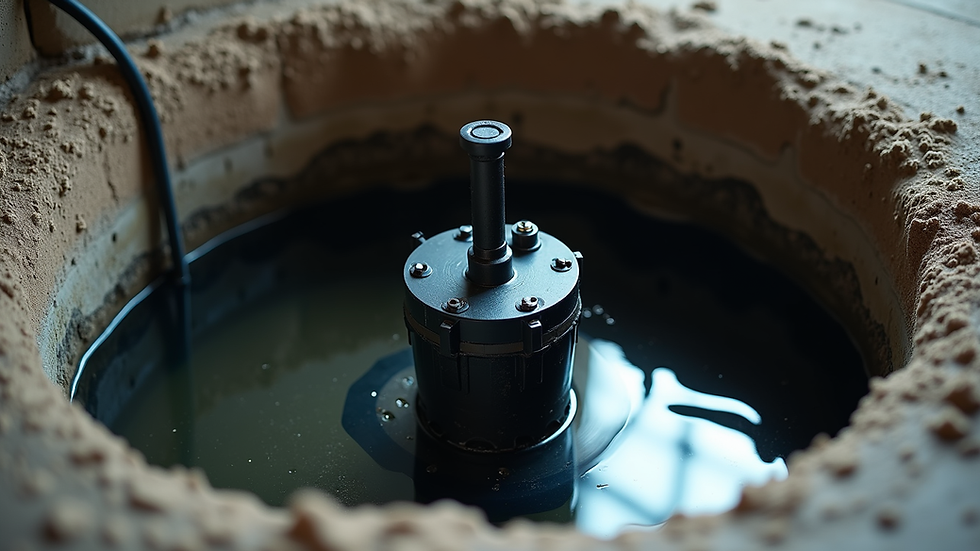
Sump pumps: Installed in the lowest part of the basement, sump pumps remove accumulated water quickly.
Each of these solutions can be tailored to your home’s specific needs. Often, a combination of methods works best to ensure long-lasting protection.

What is the best way to waterproof interior walls?
When it comes to waterproofing interior walls, the best approach depends on the source of moisture and the wall’s condition. Here are some effective methods I recommend:
Identify the source of moisture: Before applying any waterproofing, find out if water is coming from outside, condensation, or plumbing leaks.
Clean and prepare the walls: Remove any dirt, mold, or peeling paint. A clean surface ensures better adhesion of waterproofing products.
Apply waterproof coatings: Use high-quality waterproof paints or sealants designed for interior use. These create a barrier that prevents water from passing through.
Install vapor barriers: In some cases, adding a vapor barrier behind drywall or paneling can stop moisture from reaching the interior surface.
Improve ventilation: Proper airflow reduces humidity and helps walls dry faster.
Use interior drainage systems: If water is seeping through the foundation, an interior drainage system can collect and redirect it away from the walls.
By following these steps, you can protect your interior walls from moisture damage and maintain a dry, comfortable space.
Common Signs You Need Interior Waterproofing
Recognizing the early signs of water problems can save you time and money. Here are some common indicators that your home may need interior waterproofing:
Damp or wet walls: Visible moisture or water stains on basement walls.
Musty odors: Persistent smells often signal mold or mildew growth.
Peeling paint or wallpaper: Water can cause finishes to bubble and peel.
Cracks in walls or floors: These can allow water to enter and worsen over time.
Efflorescence: White, powdery deposits on walls indicate water is passing through masonry.
Mold growth: Black or green spots on walls or floors are a clear sign of moisture issues.
If you notice any of these signs, it’s important to act quickly. Ignoring water problems can lead to costly repairs and health risks.
Practical Interior Waterproofing Techniques You Can Use
There are several practical techniques you can apply to improve interior waterproofing. Some require professional help, but others you can do yourself:
Use waterproof paint: This is a simple and affordable way to add a moisture barrier to basement walls.
Install a sump pump: If your basement collects water, a sump pump can prevent flooding.
Add a dehumidifier: Keeping humidity below 50% helps prevent mold and mildew.
Seal cracks and gaps: Use hydraulic cement or waterproof caulk to fill any openings in walls or floors.
Improve grading and drainage outside: Ensure the ground slopes away from your foundation to reduce water pressure.
Install interior drainage channels: These systems collect water and direct it to a sump pump or drain.
For more complex issues, such as foundation cracks or persistent leaks, consulting a professional is the best course of action. They can assess the problem and recommend the right interior waterproofing solutions.

Why Choose Professional Interior Waterproofing Services?
While some waterproofing tasks can be DIY, professional services offer several advantages:
Expert assessment: Professionals can identify hidden problems and the root cause of water intrusion.
Quality materials and techniques: They use proven products and methods that last longer.
Comprehensive solutions: Professionals can combine interior and exterior waterproofing for maximum protection.
Warranty and peace of mind: Many companies offer guarantees on their work.
Time and cost savings: Proper installation reduces the risk of future repairs.
If you live in the Greater Toronto Area, I recommend looking for trusted companies specializing in interior waterproofing toronto. They understand local conditions and building codes, ensuring your home stays dry and safe.
Maintaining Your Waterproofed Interior
Once your interior waterproofing is in place, maintenance is key to keeping it effective. Here are some tips:
Regularly inspect walls and floors for signs of moisture or damage.
Keep gutters and downspouts clean to prevent water buildup near your foundation.
Check sump pumps periodically to ensure they are working properly.
Control indoor humidity with dehumidifiers or ventilation.
Address plumbing leaks immediately to avoid water damage.
Routine maintenance helps extend the life of your waterproofing system and protects your home investment.
By understanding and applying these interior waterproofing and basement waterproofing solutions, you can protect your home from water damage. Taking action early and choosing the right methods will keep your basement dry, your walls strong, and your indoor air healthy. Whether you tackle some tasks yourself or hire professionals, the key is to stay proactive and informed.

Comments